Autodesk Fusion
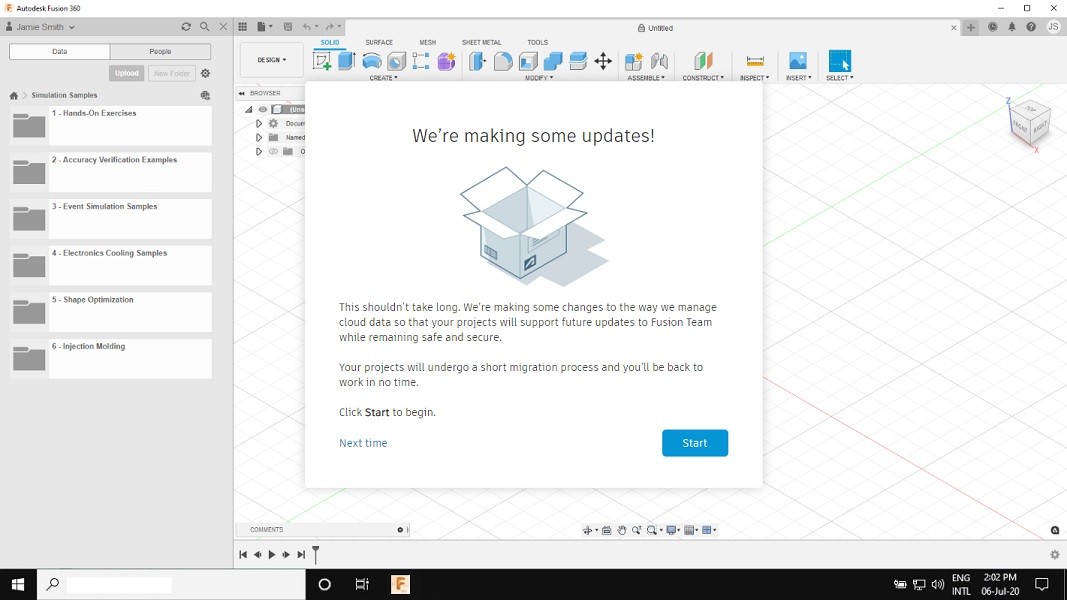
My work on Autodesk's Fusion 360 began with client-requested flows for project migration between accounts, but quickly grew into something bigger: investigating why users were struggling, wherever they were talking about it (support channels, social media, forums, YouTube tutorials) and turning those findings into flows and wireframes that fixed real, recurring pain points.
Role
UX Designer
Outcome
More than 15 common pain points have been resolved
Uncovering the Real Problem Through Research
My work on Fusion 360 started with a specific need: designing flows for migrating projects between different user accounts. But solving that problem well meant going beyond the brief the client gave me — it meant understanding what was actually frustrating users in the first place.
To get there, I ran research across every channel where users were talking: Autodesk's own help services, social media, internet forums, and other public sites. I read through comments and complaints to identify patterns, tracing each issue back to its root cause rather than just reacting to the symptom on the surface

Leading a Multidisciplinary Team
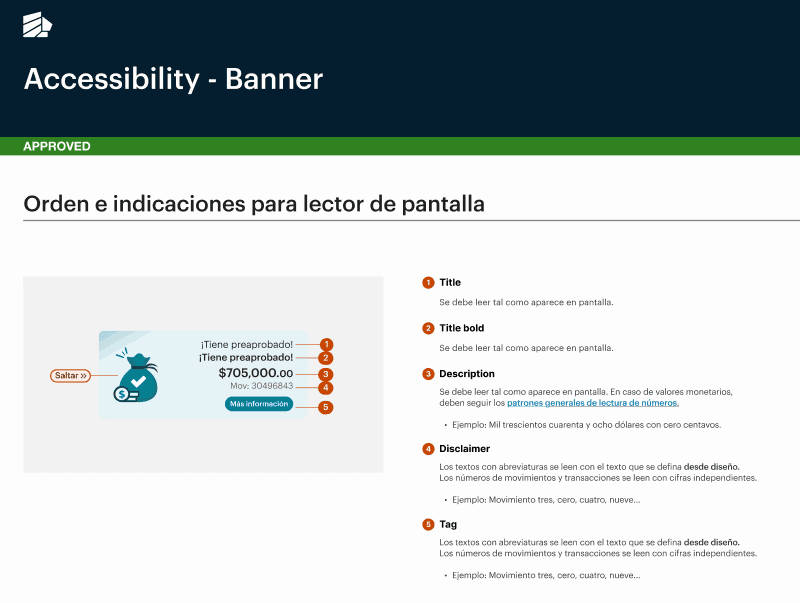
Beyond accessibility, I stepped into the role of team lead, guiding a multidisciplinary group that included UX designers, UI designers, developers, and QA. My job was to make sure every requirement from the client was actually met, and that the final product held up to the highest possible standard.
Leading a team this diverse meant translating accessibility requirements into a shared language everyone could work with, whether they were designing a screen, writing code, or testing the final build. Keeping that alignment across disciplines was key to delivering an app that was not only functional and on-brief, but genuinely optimal for every user it was built for.
Some details cannot be shown or discussed as this project remains under confidentiality agreements.